
The Impact of Power Poses: Standing vs Sitting for Confidence
- enhancefromwithin.com

- Jan 22
- 4 min read
Confidence shapes how we interact with the world and how the world responds to us. One simple technique to boost confidence involves adopting a power pose for just two minutes. But does it matter if you stand or sit during this pose? This post explores how standing and sitting power poses affect confidence, backed by research and practical examples.


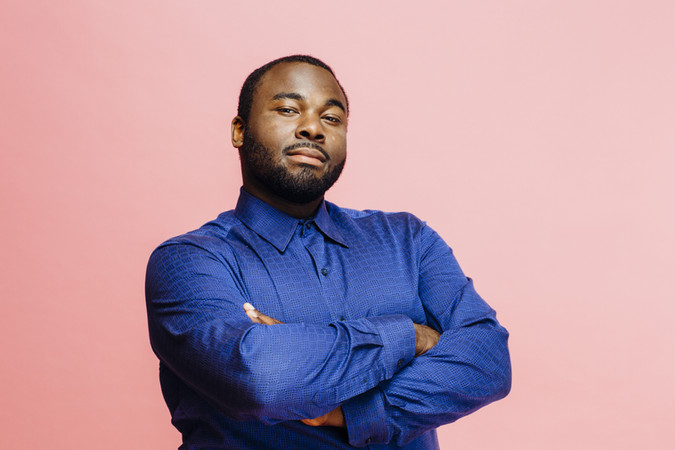


What Is a Power Pose?
A power pose is a body position that opens up your posture, making you appear larger and more dominant. These poses often involve spreading your limbs away from your body, standing tall, or sitting with an expansive posture. The idea is that holding these poses for a short time can influence your feelings of confidence and power.
For example, standing with your feet shoulder-width apart, hands on hips, and chest lifted is a classic power pose ( I call this the wonder woman/Superman pose). Sitting with your back straight, arms resting on the armrests, and legs uncrossed can also be a power pose ( I call this the CEO stance pose).
How Power Poses Affect Confidence
Research suggests that body language can influence how we feel internally. Holding a power pose for two minutes may increase feelings of confidence and reduce stress. This effect happens because open postures can signal to your brain that you are in control, which can change hormone levels related to stress and dominance.
One study found that participants who held expansive poses reported feeling more powerful and were more willing to take risks. While some follow-up studies have questioned the strength of these effects, many people find power poses useful as a quick confidence boost before challenging situations.
Standing Power Poses: Benefits and Examples
Standing power poses tend to be more physically engaging. They require you to support your body weight and open your chest and limbs fully. This physical engagement can lead to a stronger feeling of presence and alertness.
Benefits of Standing Power Poses
Increased alertness: Standing activates your muscles and improves blood flow, which can make you feel more awake.
Stronger presence: A tall, open stance makes you appear larger and more commanding.
Better breathing: Standing upright allows your lungs to expand fully, improving oxygen intake and calming nerves.
Examples of Standing Power Poses
The Wonder Woman || Superman stance: Feet shoulder-width apart, hands on hips, chest lifted.
The Victory pose: Arms raised overhead in a V shape, chest open.
The Expansive lean: Standing with one foot forward, leaning slightly into the space with arms wide.
Try standing in one of these poses for two minutes before a presentation or meeting to feel more confident.
Sitting Power Poses: Benefits and Examples
Sitting power poses can be just as effective, especially when standing is not an option. The key is to maintain an open, relaxed posture that takes up space.
Benefits of Sitting Power Poses
Comfort and stability: Sitting can help you feel grounded and steady.
Controlled breathing: Sitting upright supports calm, deep breaths.
Accessible in many settings: You can use sitting power poses in places where standing is impractical.
Examples of Sitting Power Poses
The CEO pose: Sit with your back straight, feet flat on the floor, arms resting on armrests or the table, and legs uncrossed.
The Open arms pose: Lean back slightly with arms spread wide on the chair’s armrests.
The Lean-forward pose: Sit upright and lean slightly forward with hands on your knees, showing engagement and confidence.
Holding these poses for two minutes before a stressful event can help you feel more in control.
Comparing Standing and Sitting Power Poses
Both standing and sitting power poses can boost confidence, but they have different effects depending on the situation.
Aspect Standing Power Poses Sitting Power Poses
Physical engagement High, activates muscles fully Moderate, more relaxed
Breath control Easier to take deep breaths Supports calm breathing
Practicality Best for private or spacious settings Suitable for meetings or crowded spaces
Visual impact More commanding and noticeable Subtle but still open and confident
Choosing between standing or sitting power poses depends on your environment and comfort. For example, standing poses work well before you enter a room, while sitting poses are great during meetings or interviews.
How to Use Power Poses Effectively
To get the most from power poses, follow these tips:
Hold the pose for two minutes: This duration is enough to influence your mindset without feeling awkward.
Focus on your breathing: Take slow, deep breaths to enhance relaxation and confidence.
Practice regularly: The more you use power poses, the easier it becomes to access confident feelings.
Combine with positive self-talk: Reinforce the physical pose with encouraging thoughts.
Use before high-pressure situations: Try power poses before interviews, presentations, or social events.
Real-Life Examples of Power Pose Success
Many people report feeling more confident after using power poses. For instance, a job seeker who practiced standing power poses before interviews noticed less anxiety and better performance. A public speaker used sitting power poses backstage to calm nerves and deliver a stronger presentation.
These examples show that power poses can be a practical tool to manage stress and boost confidence in everyday life.
Limitations and Considerations
While power poses can help, they are not a magic solution. Confidence also depends on preparation, mindset, and experience. Some studies have questioned the hormonal effects of power poses, so it’s best to view them as one part of a broader confidence-building strategy.
Also, cultural differences may affect how power poses are perceived by others. Be mindful of the setting and adjust your posture accordingly.


Comments