
Navigating My Mental Health Journey: Tips, Challenges, and the Power of Awareness
- enhancefromwithin.com

- May 4
- 5 min read
Facing the Challenges Head-On
Living with mental health struggles often feels like navigating a maze without a map. For me, anxiety and periods of depression were the most persistent challenges. Some days, even getting out of bed felt overwhelming. The hardest part was the isolation — feeling like no one truly understood what I was going through.
One specific challenge was learning to recognize my triggers. Stressful work deadlines, social situations, and even certain news stories could spiral my thoughts into negativity. Early on, I didn’t have the tools to manage these feelings, which made the experience even more daunting.
Another obstacle was the stigma around mental health. I hesitated to talk about my struggles because I feared judgment or being seen as weak. This silence only deepened my sense of loneliness.




Here's something to consider: SELF WORTH. Personally, I struggled with my self-worth and value. Due to society's ongoing stigmas and the corporate world's lack of empathy, I found myself spiraling into despair, believing I wasn't good at my career. But I am good. Despite this, I spent a year not working and staying at home. My partner and daughter couldn't persuade me to leave the house. When I did venture out, it was only to the mailbox or perhaps a short walk to the nearest grocery store. It was a difficult time. The worse part was not wanting to be here. I was so done with life that I cursed the life out of life. But then...
Practical Tips That Made a Difference
Over time, I discovered several approaches that helped me manage my mental health more effectively. These are not quick fixes but ongoing practices that have brought me more balance and peace. I refused to have a medical soul prescribe drugs because I felt it would make me feel worse. What did I do instead?
Routine and Structure
Creating a daily routine gave me a sense of control. Simple habits like waking up at the same time, scheduling breaks, and setting small goals helped reduce anxiety. I committed to learning to love myself by doing a simple morning routine; one being, journaling.
Mindfulness and Breathing Exercises
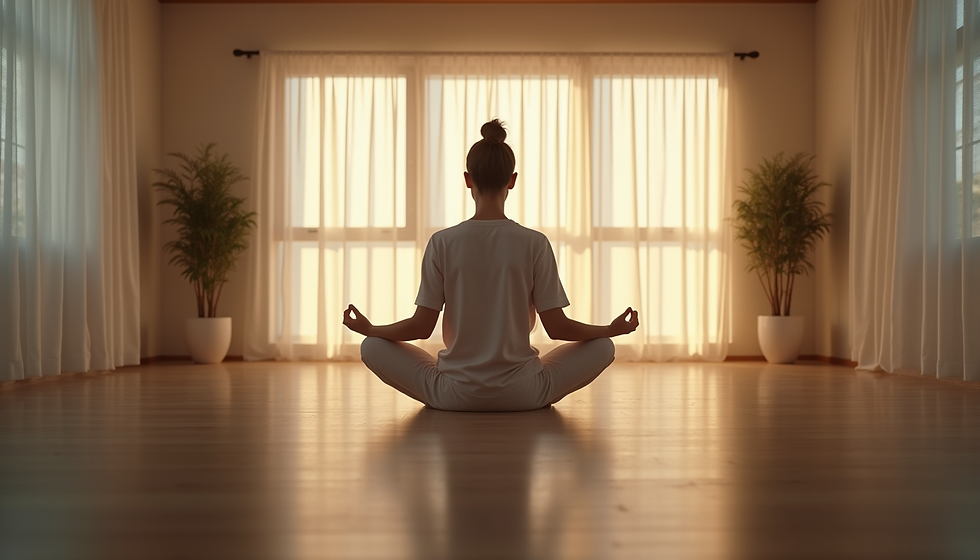
I was browsing in social media and found many communities that practice a more zenful life. I was intrigued and gave a shot. Practicing mindfulness allowed me to stay present instead of getting lost in worries. Even a few minutes of deep breathing or guided meditation each day made a noticeable difference. I am profoundly grateful to have met so many spiritual souls that helped me ground and find the reason for my spiral. The best decision I made was to acknowledge and find the outlet.
Physical Activity
Umff, when I was told by my guides to take walk I was not willing to do that. It took days before I decided I can get dress and step out. Being there is a park right across the street, I decided enough is enough, lets do this. Doing so, I found that regular exercises, whether a walk outside or yoga, boosted my mood. Movement helped release tension and also improved my sleep quality.
Seeking Support
My go to support are my daughter and siblings, one being my two sisters. My partner tries to understand and has supported me more than I expected but it is different. he was too worry of my suicidal thoughts. They say talking to trusted friends, family, or a therapist provides relief and perspective. It took a very long time to admit to them I am not ok. When I shared my feelings, it became less overwhelming and reminded me I wasn’t alone. My siblings, my daughter, and my partner finally understood my MIA mode and were more than supportive. My partner committed to educate himself knowing he still couldn't understand how my light has dimmed. One being arthritis that progressed rapidly. Regardless, I made the effort to have acquaintances with groups in social media, my family connection, and gifted by my partner two emotional support cats. Which has been a godsend.
Limiting Negative Inputs
I became more mindful of what I consumed mentally — reducing exposure to distressing news and limiting my social media intake helped protect my mental space. regarding social media, I cleaned out all negative posts, unfollowed what does not serve my mental health, and changed the algorithm. So why am I sharing so much personal drama?
Why Mental Health Awareness Matters
Mental health affects every part of life — relationships, work, and overall well-being. When awareness grows, it creates a community where people feel safe to share and seek help. This openness can prevent crises and promote early intervention. Honestly, the people I had in my life were so naive and in denial this exist.
Awareness also challenges harmful stereotypes. It reminds us that mental health conditions are common and treatable, not signs of failure or weakness. Upsetting as it is, we navigate hiding and pretending we are perfectly fine. Can we talk ignorance? When workplaces, schools, and communities prioritize mental health, they build stronger support networks.
On a larger scale, awareness drives policy changes and funding for mental health services. It encourages research and innovation in treatment options, benefiting countless individuals. A nice little win. Yet we still have more work to do. An example: because I did not want to go out, I had virtual calls. I did NOT feel any better. I did not feel empathy, encouragement, and trust this will help. In other words "let me prescribe this". It was absurd. Hence why I chose to find a tribe that practice strongly in mindfulness. But moving on....
Encouraging Open Conversations
One of the most powerful steps we can take is to talk openly about mental health. YES, whether you assume its for attention seeking, or the get over it attitude. Sharing stories, like mine, helps normalize these experiences. It invites empathy and understanding rather than judgment. Boy, I experienced so much judgement it made matters worse. I trusted NO ONE.
But now.....
If you’re struggling, know that reaching out is a sign of strength, bravery, courage. You are aware and you raise the awareness through your experiences. If you’re supporting someone else, listen without trying to fix or minimize their feelings, that does not help. All we need is listening ear, not a bandage for the boo boo. Sometimes, just being present is enough.
Moving Forward Together

If you take away one thing from this post, let it be this: your mental health matters, and you deserve support. Whether through small daily habits or seeking professional help, there are ways to find balance and hope.
Let’s keep the conversation going and support each other on this path. Share your comments and/or experiences.
Begin your mental health journey with a complimentary download.


Comments